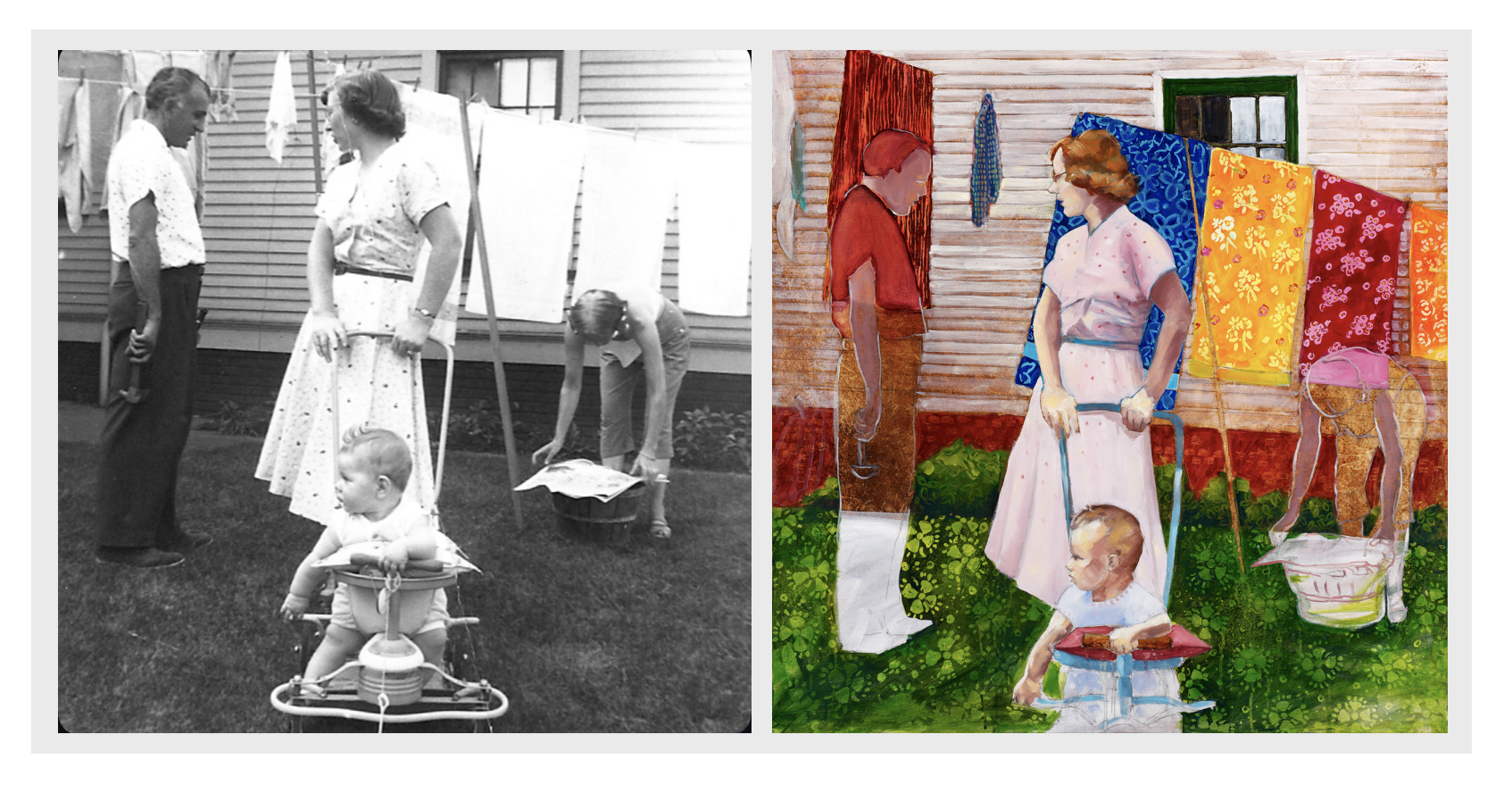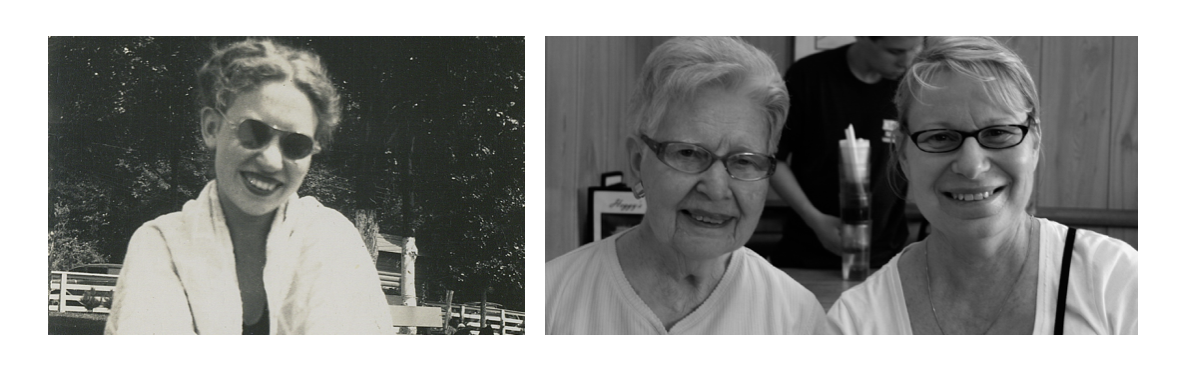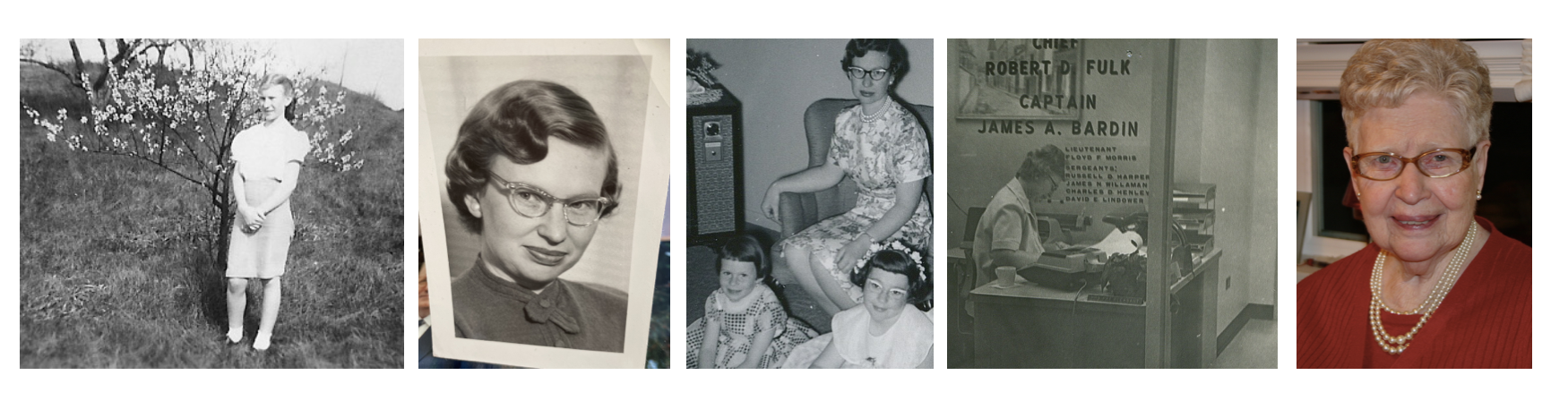
My mother announced that she was starting a knitting club at her new home, an assisted living apartment in my home town back in Ohio. She did not know how to knit. She excitedly told me how all she did was put up a piece of paper in the elevator in her own handwriting. Wednesday at 1:30 in the second floor lounge. Twenty five ladies and a couple of men came. They agreed they would teach her how to knit.
Growing up, I knew my mother was a social being; PTA president, girl scout leader, manager of the nursery at church, secretary for four chiefs of police in my very small home town. She mostly knew everyone in town. I viewed trips to the grocery store as a minefield of other ladies who knew her and wanted to "talk". It was torture in aisle 3.
I returned to my hometown to stay with my mother when she was diagnosed with pancreatic cancer. After a few weeks, I had a solo exhibition coming up in Amsterdam and was scheduled to travel to the opening, returning to Ohio from there, I had very mixed feelings about traveling to the other side of the globe , but she was absolutely insistent that I go. The night before I left she had gone to bed early and I laid down next to her and said “Mom I want to say some things. “ I couldn't leave without telling her how grateful I was and how much I loved her and appreciated her support of me all of these years. At first she tried to shut me down. She knew these were the ending kind of conversation, but I kept going. She kept going too. She let the walls down and we talked about her life and eventually revealed about her regret in life . She said, "Amy, there were only three choices for me after high school. I could become a nurse, a teacher or a secretary and I had no money for an education so I became a secretary.” Her true dream was to go into politics, to be involved in ways that she thought would made change for the better.
I was not shocked, knowing her interest in world affairs, reading 3 newspapers daily, keeping up with local and national politics and knowing her volunteer history in various campaigns through the years. In that moment, I realized how much of her life was written by a system which worked for its own best interest. For most of her generation the message was clear. They belonged at home and did not dare give credence to their own dreams. She did what she could with her own passions and found ways to contribute, but somehow at the end the disappointment lingered.
On the night of my opening I received a call that she had unexpectedly fallen into a coma and was taken to the hospice. I got on the next plane and about 30 hours later walked into her room. I sat down next to her and she opened her eyes. She could not speak but I felt she wanted to hear about Amsterdam. I spent about ten minutes giving her the highlights, she closed her eyes and returned to a coma state. She took her last breath within 24 hours. I was grateful to be with her in those last moments and most grateful that she waited for me. Soon after, I wrote the poem, “Laundry Day” not only for her but to honor generations of women past who perhaps had similar dreams and disappointments, but making the most of creating lives of note and importance.